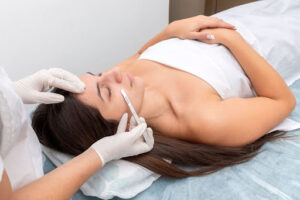

We all lose hair (at least 100 strands a day) as part of the hair’s natural growth cycle. Typically, those strands are replaced as new hairs grow in. However, for millions of men and women, their hair doesn’t grow back, or if it does, it becomes much thinner.
Sometimes, hair thinning and hair loss are temporary, due to factors such as stress, nutritional deficiencies, or hormonal changes. Once the trigger is identified and corrected, hair regrowth often resumes. Other times, hair loss is permanent. Genetics, aging, and certain medical conditions can all contribute to the inability to regrow hair.
For years, the only options for hair loss were topical and oral treatments, which require consistent, long-term use, or invasive and costly hair transplant surgery. However, thanks to a breakthrough in regenerative medicine, a natural approach to hair restoration is now available that works much differently from other hair restoration methods.
It’s called platelet-rich plasma (PRP) therapy, a clinically studied regenerative medicine treatment that uses your body’s own blood components to naturally stimulate hair follicles and restore hair growth. From early hair thinning to more advanced hair loss, PRP therapy is transforming the way hair restoration is addressed.
PRP therapy has already restored hair (and confidence) to thousands of people, and if you’re struggling with thinning hair or balding patterns, it may help you too. But before searching for a place to get PRP therapy for hair loss near you, there are things you need to know.
This article will explain PRP therapy for hair restoration, including:
- What PRP is and how it’s used in hair restoration
- The science behind how PRP works to stimulate hair follicles and the hair growth cycle
- The benefits of hair loss PRP therapy
- What you can expect during and after PRP scalp injections
- How to determine if hair loss PRP therapy is right for you
- Potential side effects or risks of PRP therapy
- Common FAQs about PRP hair loss therapy (that you probably have, too)
Whether you’re noticing the first signs of thinning or dealing with more advanced hair loss, fully understanding PRP therapy can help you make an informed decision about whether PRP hair loss therapy is the right choice for you, compared to hair restoration solutions of the past.
What is Platelet-Rich Plasma (PRP)?
Blood is made up of red blood cells, white blood cells, platelets, and plasma. These are blood elements your body naturally produces every day. Platelet-rich plasma (PRP), however, is not something the body makes on its own. It must be specially prepared in a medical setting.
PRP is made by drawing a small amount of a patient’s blood, spinning it in a centrifuge to separate it into layers, and then collecting only the platelet-rich portion of the blood that promotes healing. These platelets release growth factors that play a crucial role in tissue regeneration.
This preparation increases the concentration of platelets within the plasma, leaving behind a solution that studies show can contain up to five times more platelets than normal blood, significantly amplifying the delivery of growth factors to targeted areas.
What is PRP Therapy for Hair Restoration?
Platelet-rich plasma therapy, or PRP therapy, is a regenerative medicine treatment that uses the healing components of your own blood to promote tissue repair and regeneration.
PRP hair loss treatment involves extracting a small amount of your blood, processing it to concentrate the platelets rich in growth factors, and then creating a solution that is injected directly into areas of the scalp experiencing thinning or hair loss.
The growth factors in PRP reach follicles at concentrations much higher than what is normally present in circulating blood. This boost amplifies the body’s natural signaling process, helping to revive dormant follicles, strengthen active ones, and create optimal conditions for thicker, healthier hair.
A little further down, we’ll walk you through the PRP therapy process step by step. But first, let’s talk about the science behind how PRP injections are believed to create these results.
The Science Behind PRP: How PRP Promotes Hair Growth
Multiple studies have found that Platelet-Rich Plasma (PRP) therapy can promote hair growth, increase hair thickness, and reduce premature shedding.
The primary idea behind PRP therapy for hair restoration is to naturally stimulate hair follicles. To understand how scientists believe PRP can achieve this, it helps to understand the hair growth cycle and the role of growth factors in follicle health.
How the Hair Growth Cycle Works
Hair growth follows a repeating cycle of active growth, transition, and rest that keeps your follicles in constant motion.
- Anagen (growth phase): The active stage when hair is growing from the follicle. This phase can last for years and is when most of your scalp hairs are actively growing.
- Catagen (transition phase): A short phase, usually just a few weeks, when growth slows and the follicle begins to shrink.
- Telogen (resting phase): A temporary stage when the follicle is inactive and the hair eventually sheds to make room for new growth.
At any given time, the majority of your follicles should be in the anagen phase, while only a small portion are resting. When this balance is disrupted, fewer follicles remain in active growth and more shift into prolonged rest.
We’ll explain coming up, but PRP is believed to help normalize a dysfunctional hair cycle, which is a key component of hair loss.
Why Growth Factors Are Important for Hair Follicle Stimulation
For hair to regrow, follicles need a healthy environment. Growth factors are proteins released by platelets that can increase blood flow, reduce inflammation, and enhance scalp hydration, all of which can contribute to improving scalp health.
Growth factors also signal cells to repair, regenerate, and function more effectively. In the scalp, these signals are particularly important because they influence the activity of dermal papilla cells, the specialized cells at the base of the follicle that control hair growth.
The problem is that platelets typically only release growth factors in response to an injury. In natural hair loss, there isn’t an injury signal to activate them. PRP therapy overcomes this limitation by delivering concentrated platelets with a high concentration of growth factors directly to the scalp, where they can reawaken dormant follicles and strengthen active ones.
Now that you understand the basics of the hair cycle and the valuable role growth factors can play in hair regrowth, let’s look at exactly how PRP injected into the scalp stimulates hair follicles and promotes a healthier hair growth cycle.
What Happens When PRP is Injected Into the Scalp?
When PRP is injected into the scalp, the concentrated platelets release powerful growth factors that target hair follicles directly. These signals stimulate follicle activity, improve the surrounding scalp environment, and help restore a healthier balance in the hair growth cycle.
How PRP Injections Promote Hair Follicle Stimulation
With roughly five times the concentration of platelets found in normal blood, when injected into the scalp, PRP significantly amplifies the delivery of growth factors to areas of thinning hair, creating a stronger environment for new growth and healthier existing strands.
The high concentration of growth factors delivered via PRP acts like “messenger signals” that direct cells to repair, regenerate, and activate key functions within the follicle itself. They also help reduce inflammation and improve blood flow in the scalp, creating a healthier environment around the follicles.
This not only supports existing hair but may also reactivate follicles that have gone dormant due to conditions like androgenetic alopecia.
The Growth Factors That Power PRP
Research shows that PRP contains multiple growth factors that contribute to hair follicle stimulation, each with its own specific role that supports the repair, regeneration, and activation of hair follicles.
- Platelet-Derived Growth Factor (PDGF): Promotes cell proliferation and plays a vital role in tissue repair. In hair restoration, PDGF encourages the multiplication of dermal papilla cells, which are essential for hair follicle function and hair shaft production.
- Vascular Endothelial Growth Factor (VEGF): Stimulates the formation of new blood vessels, a process called angiogenesis. Improved blood circulation to hair follicles ensures better delivery of nutrients and oxygen, creating an optimal environment for hair growth.
- Transforming Growth Factor-Beta (TGF-β): Regulates cell growth and differentiation while supporting the formation of new tissue. This growth factor helps maintain the structural integrity of hair follicles and supports the transition from the resting phase to the active growth phase.
Together, these growth factors create the foundation for PRP’s effectiveness in hair restoration. By improving blood supply, supporting follicle structure, and encouraging cellular activity, they enhance scalp health and help shift the scalp environment back toward growth rather than loss.
How PRP Injections Support the Hair Growth Cycle
The healing growth factors in PRP provide more than just a temporary boost in scalp health and follicle stimulation. When injected into the scalp, they also help regulate the natural hair growth cycle, which is essential for maintaining healthy growth, stronger strands, and lasting density.
The concentrated growth factors in PRP interact with dermal papilla cells at the base of the follicles. Research shows this process can prolong the anagen (growth) phase of the hair cycle while shortening the telogen (resting) phase.
A regulated hair cycle may also reduce shedding, though some initial shedding can occur as older, weaker hairs are pushed out to make room for stronger new growth.
Benefits of PRP Hair Restoration Therapy
PRP therapy offers benefits for hair loss by stimulating hair follicles to promote natural hair growth, increasing hair thickness and density, and reducing hair shedding. It works by using your blood’s own platelet-rich plasma (PRP), which contains concentrated growth factors that trigger a regenerative process in the scalp.
PRP therapy offers several distinct advantages over traditional hair loss treatments, making it an increasingly popular choice for men and women seeking natural hair restoration solutions that deliver noticeable results without the need for daily medications or invasive surgery.
PRP Therapy is Natural and Safe
One of the most significant benefits of PRP therapy is its use of autologous blood components, meaning the treatment uses your own blood. This usually eliminates the risk of allergic reactions or rejection that can occur with synthetic treatments or foreign substances.
Research shows that PRP therapy has minimal side effects, usually limited to temporary tenderness or swelling at injection sites, making it one of the safest hair restoration options available.
PRP is a Non-Surgical, Non-Invasive Hair Loss Solution with No Downtime
Unlike hair transplant procedures, PRP therapy is minimally invasive and requires no surgical incisions or extensive recovery time. That means no stitches, no scars, and no downtime.
You may experience minor tenderness and swelling at the injection site for 24 to 48 hours following treatment, but most patients find this manageable and are able to return to all normal activities immediately after PRP treatment.
PRP Hair Restoration Provides Natural-Looking Results
PRP therapy doesn’t create new hair follicles, add artificial fibers, or relocate hairs. Instead, it naturally stimulates your own hair follicles. New strands develop gradually, blending seamlessly with your existing hairline and density, resulting in natural-looking hair growth.
Additionally, since the timing of PRP scalp injections aligns with your natural growth pattern, results appear progressively over several months, resulting in a natural appearance that doesn’t look like an overnight transformation.
PRP Improves Hair Quality and Density
Clinical studies demonstrate that PRP therapy not only promotes new hair growth but also improves the quality of existing hair.
Research has found that patients treated with PRP experienced significant improvements in hair density, thickness, and overall hair quality. Many patients report that their hair feels stronger, appears shinier, and even has improved texture following PRP treatments.
PRP Supports Scalp Health and Collagen Production
Growth factors in PRP improve blood flow, reduce inflammation, and signal surrounding cells to repair tissue. All of these processes not only support healthier hair growth but also promote a healthier scalp.
Research in dermatology has also shown that PRP stimulates fibroblasts, the cells responsible for producing collagen. While collagen production is more extensively studied in facial skin rejuvenation, the same biological mechanisms are active in the scalp, suggesting that PRP injected into the scalp may also stimulate collagen production, resulting in stronger, more resilient scalp tissue that supports healthy hair follicles.
PRP Works with Noticeable Results in Just a Few Months
There is no overnight quick fix or easy way to regrow hair. No matter which hair restoration method you choose, they all require patience. Even hair transplant surgery requires months before results are visible. However, PRP offers relatively fast improvements compared to many options.
Following PRP scalp injections, initial changes, such as reduced shedding and thicker hair, can be noticed within 2 to 3 months. Visible hair regrowth is typically seen around 4 to 6 months, with significant progress over 6 to 12 months.
PRP Therapy Can Be Combined With Other Treatments
While PRP therapy is effective as a solo hair loss solution, it can also be combined with other hair restoration approaches. You can safely use PRP therapy alongside FDA-approved medications like minoxidil and finasteride. PRP can also improve outcomes when performed in conjunction with hair transplant procedures.
The PRP Hair Restoration Process: What to Expect Before, During, and After PRP Therapy for Hair Restoration
While PRP might sound scientific and technical, the PRP hair restoration process is actually straightforward and painless, with each session completed within 60 to 90 minutes.
The treatment generally follows a simple, step-by-step approach that begins with determining if you’re a good candidate and ends with ongoing follow-up to track your results.
Step One: Consultation to Determine if You Are a Good Candidate for PRP
If you’re considering PRP therapy for hair restoration, the first step is scheduling a consultation with a qualified provider who specializes in hair loss treatments.
During this visit, your provider will examine your scalp and hair, review your specific pattern of hair loss, and go over your medical history. They will also discuss your goals and set realistic expectations and treatment timelines to help you decide if PRP is the right hair loss solution for you, how it may fit into a broader hair restoration plan tailored to your individual needs, or if another hair restoration solution is a better fit.
Step Two: Preparation for PRP Treatment
Before your PRP session, your healthcare provider will give you specific pre-therapy instructions to ensure the best possible outcome. Following these guidelines is important for a smooth procedure and more effective results.
This typically includes avoiding blood-thinning medications and supplements for several days before treatment, as these can affect platelet function. You may also be advised to avoid alcohol, smoking, and excessive caffeine, as these can impact circulation and healing.
On the day of treatment, it’s a good idea to eat a healthy meal and stay well-hydrated, as this helps improve the quality of your blood draw and the resulting PRP concentration.
Step Three: The PRP Procedure
PRP therapy begins with a standard blood draw from your arm, just like you’d experience during routine lab work, typically collecting around 30–60 milliliters of blood. The blood is then placed in a specialized centrifuge that spins at high speeds to separate the different blood components.
The centrifugation process usually takes 10–15 minutes and results in three distinct layers: red blood cells at the bottom, platelet-poor plasma in the middle, and platelet-rich plasma at the top. The platelet-rich plasma is then carefully extracted and prepared for injection.
Before injection, the scalp is thoroughly cleaned and may be numbed with a topical anesthetic to minimize discomfort. However, PRP therapy is not painful. Most patients describe the injections as a series of quick pinches or pressure sensations rather than significant pain.
Using a fine needle, the PRP is then injected into multiple areas of the scalp where hair loss has occurred. The injection pattern is strategically planned to ensure comprehensive coverage of thinning or balding areas.
From start to finish, the procedure itself usually takes 30–45 minutes, with the entire appointment (including preparation and recovery time) lasting about 60–90 minutes.
Step Four: Post PRP Treatment Care and Recovery
Following PRP treatment, you may experience mild tenderness or swelling at the injection sites, which typically resolves within 24 to 48 hours. Most patients can wash their hair gently the day after treatment and return to normal activities.
Your healthcare provider will provide you with specific post-treatment instructions, which may include avoiding vigorous exercise for 24 hours and protecting your scalp from direct sunlight for several days. You may also be advised to hold off on coloring or other chemical hair treatments to allow the scalp to fully recover. Other than that, there really isn’t any significant downtime or special aftercare required following PRP scalp injections.
Before you leave, you’ll also want to schedule your next session, which is typically 4–6 weeks later as part of a series designed to achieve optimal results.
PRP Hair Restoration Results
Results from hair loss PRP therapy aren’t immediate. Research shows results from hair loss PRP follow a fairly consistent timeline with natural hair, with most patients experiencing reduced shedding and early signs of thicker hair within the first few months, followed by more noticeable improvements with continued sessions.
The process takes time because hair follicles move through distinct growth cycles. There’s no way to speed up biological reality; you just have to be patient and trust the process.
Understanding this natural progression helps set realistic expectations and provides a better understanding of the answers to many common questions people have about the effectiveness and timeline of results of hair loss PRP.
How Effective is PRP For Hair Loss?
There isn’t a 100% guarantee that PRP will restore hair growth. That said, PRP injections for hair loss have an impressive success rate, ranging from 70% to 90% for the average qualifying patient who follows their treatment plan.
How Long Does It Take to See Results from PRP Therapy?
The timeline for PRP therapy results follows the natural hair growth cycle, which occurs in distinct phases: anagen (growth), catagen (transition), and telogen (rest). Hair loss often occurs when follicles spend more time in the resting (telogen) phase.
PRP therapy is believed to work by both shortening the telogen (resting) phase and prolonging the anagen (growth) phase, encouraging dormant follicles to re-enter active growth.
However, because hair only grows around half an inch per month, it takes at least 3 to 4 months following initial treatment for the newly stimulated follicles to produce visible length. That said, many patients notice positive changes within 4 to 6 weeks of treatment.
Early signs of improvement following PRP hair restoration may include:
- Reduced hair shedding during washing or brushing
- Improved hair texture and shine
- Increased thickness of existing hair
- Reduced scalp sensitivity or inflammation
If you don’t see early signs that PRP therapy is working, or notice improvements after a few months, it doesn’t typically mean PRP therapy failed.
Response times for PRP scalp injections can vary depending on the degree of hair loss, overall health, and adherence to necessary follow-up sessions. If you have concerns about your progress, contact your provider. They can reassess your scalp and adjust your treatment plan if needed.
How Many PRP Sessions Are Needed to Grow Hair?
PRP therapy for hair loss typically involves a series of a minimum of three sessions, with most patients averaging four to six sessions, spaced approximately four to six weeks apart. The reason for the delay between sessions is to align with the natural hair growth cycle. This allows newly stimulated follicles time to respond before the next treatment.
However, the exact number of PRP injections required for hair restoration therapy depends on several factors, including the severity of hair loss, individual response, and your specific treatment protocol. Some patients may require more or fewer injections.
Your healthcare provider will be able to give you a better idea of how many PRP sessions you will need to achieve your desired results.
When to Expect Peak Results From PRP Therapy for Hair Loss
You should notice initial improvements around three months after your first treatment. Peak results typically occur between six months to one year after beginning PRP therapy.
Studies support this timeline, showing that patients experienced satisfactory results at six months post-treatment, with approximately 30–40% improvement in hair density.
Research also demonstrates that hair density improvements can continue to develop beyond this period, with some patients experiencing ongoing enhancement even past the one-year mark.
What Are The Long-Term Outcomes of PRP Hair Restoration?
For most patients, PRP delivers significant lasting outcomes. Studies show that patients who followed their recommended injection schedules maintained improvements in hair density for up to two years, while those who stopped treatment gradually returned to baseline density over time.
However, it’s important to have realistic expectations. While long-term studies suggest that results from PRP therapy can last for years when supported by periodic maintenance treatments, PRP therapy is not a cure for hair loss and can have varying outcomes.
What Factors Influence the Success of PRP Therapy for Hair Loss?
PRP injections can promote hair regrowth for most qualified patients, especially when treatment begins during the early stages of hair loss. However, several factors can influence the effectiveness of PRP therapy or lower your success rate.
- Age: Younger patients often respond more strongly to PRP because their follicles tend to be more biologically active.
- Extent and duration of hair loss: Early intervention usually yields better outcomes than treating advanced hair loss. PRP is most effective when follicles are still present but miniaturized, rather than completely dormant. Patients in the early stages of androgenetic alopecia typically see the best results.
- Consistency with treatment: PRP therapy isn’t a one-and-done procedure. A minimum of three treatments is typically required to initiate new growth, with an average of four to six treatments for optimal results.
- Overall health and lifestyle factors: Nutrition, stress levels, smoking, and certain medical conditions can impact how well your body responds to PRP therapy. A healthy lifestyle supports better outcomes.
- Provider expertise: The technique, equipment, and platelet concentration used by your PRP provider can directly impact the quality of results. Choosing an experienced, qualified practitioner is essential.
How to Maintain Your PRP Hair Restoration Results
PRP therapy typically requires an initial series of 3 to 6 treatments spaced 4-6 weeks apart, followed by periodic maintenance sessions. Research indicates that consistent maintenance is often necessary to sustain results.
The exact maintenance schedule depends on how you respond to treatment, the severity of hair loss, and your personal hair growth goals. Some patient come in for touch-up treatments every four to six months to help maintain their results, while others only require maintenance once or twice a year.
Except for periodic maintenance sessions, no additional special maintenance is required. Because PRP works with your own natural hair, you can typically continue caring for it as you normally would.
Can You Extend the Results of PRP Hair Restoration?
The most important thing you can do to ensure lasting hair growth from hair loss PRP therapy is to complete all initial treatment sessions and then be aware of signs that your results may be starting to fade, which might include increased shedding, gradual thinning in previously treated areas, or reduced hair density.
Additionally, following general hair health practices, such as eating a nutrient-rich diet, managing stress, avoiding harsh chemical hair treatments, and protecting your scalp from sun damage, can help keep your scalp environment healthy, which may support long-term PRP results.
Setting Realistic Expectations for PRP Therapy
PRP scalp injections have been clinically shown to significantly slow down hair loss, increase hair density, and improve hair thickness. However, PRP is not a cure for hair loss or androgenetic alopecia (male and female pattern baldness) and may not restore hair to its original density.
It’s important to have realistic expectations about results and timelines and understand that results vary from person to person. Some people are better candidates for PRP injections for hair thinning and hair loss than others.
Is PRP Hair Restoration Right for You?
Deciding if PRP is right for you depends on many factors. The only way to determine whether PRP therapy is the best solution to your hair thinning or hair loss is to have a consultation with a PRP hair regrowth specialist at a reputable regenerative medicine center near you.
They can evaluate your scalp, discuss factors related to your hair loss pattern, review your medical history, and discuss expectations of treatment goals to best determine if you are a candidate for hair loss PRP or if another hair restoration method might be a better fit.
Who Is An Ideal Candidate for Hair Growth PRP Therapy?
Most people with thinning hair make good candidates for PRP hair restoration. So are men and women with androgenetic alopecia who have experienced recent hair loss or are in the early to moderate stages of hair thinning. Men with male pattern baldness also tend to respond very well to PRP injections.
The younger you are, the better your outcome might be as well. While PRP therapy can benefit patients of various ages, younger individuals often experience more dramatic results due to more responsive hair follicles and better overall healing capacity.
Regardless of age or why you’re experiencing hair loss, PRP success rates are higher in those who receive treatment early. Active hair follicles that have become miniaturized tend to respond better than those with completely dormant follicles.
Who Might Not Be a Candidate for PRP Hair Growth Injections?
While most people experiencing hair thinning or early hair loss are candidates for PRP therapy, there are some exceptions.
Patients with certain medical conditions, such as active infections, bleeding disorders, low platelet counts, and certain autoimmune conditions, may not be suitable candidates for PRP injections. Pregnant women should also consult with their healthcare provider before considering PRP injections.
Additionally, if you take blood thinners or other medications that affect blood clotting, you should inform your provider before undergoing PRP therapy.
How Does PRP Therapy Compare to Other Hair Restoration Methods?
Many people wonder if PRP is better than a hair transplant, or if PRP provides quicker results from topical or oral hair growth treatments. PRP is quickly becoming the patient-preferred treatment for hair regrowth. However, each method has distinct advantages and limitations that should be considered based on individual circumstances.
Here is a brief rundown of PRP vs. other hair restoration methods.
PRP vs. FDA-Approved Hair Loss Medications
Minoxidil and finasteride are the two FDA-approved medications for treating androgenetic alopecia. While these medications can be effective, they require daily use and may cause side effects. For example, Minoxidil can cause scalp irritation and dryness, while finasteride may lead to sexual side effects in some men.
PRP therapy offers several advantages over these medications. It doesn’t require daily administration, has minimal side effects, and can be used by both men and women without hormonal concerns. However, medications may be more cost-effective for some patients and can be combined with PRP for enhanced results.
PRP vs. Hair Transplant Surgery
Hair transplant surgery remains the gold standard for treating advanced hair loss, but it involves significant considerations. Surgical procedures require recovery time, carry risks associated with any surgery, and can be expensive. Additionally, transplant surgery is typically recommended only for patients with sufficient donor hair.
PRP therapy serves as an excellent option for patients who are not candidates for surgery or prefer non-surgical approaches. It can also be used to improve the success rate of hair transplant procedures when applied before and after surgery.
Combination Hair Growth Approaches
Many hair restoration specialists recommend combination approaches that leverage the benefits of multiple treatments. PRP therapy can enhance the effectiveness of topical medications and improve surgical outcomes when used as part of a comprehensive treatment plan.
Are PRP Injections Safe?
PRP injections are natural and generally considered safe when administered by a qualified healthcare professional who is trained in the procedure. The injections are non-invasive, and because the treatment uses your own blood, it reduces the risk of adverse effects, such as infection or allergic reaction.
While PRP is natural and studied to be safe for most patients, as with any medical procedure, there are potential risks and side effects. The most common being temporary pain, bruising, and swelling at the injection site. Rare or extremely rare side effects include infection, allergic reaction, and nerve damage.
How Much Does PRP Hair Restoration Cost?
It isn’t possible to say exactly how much PRP therapy costs, as pricing has a fairly large range. Some PRP sessions are reported to be as low as $400, others as high as $2,500 or more per session, with most patients requiring an initial series of three treatments.
Several factors contribute to the overall investment of PRP therapy, including:
- Location
- Provider
- Equipment used
- Number of sessions
- The area of the scalp and the complexity of your case
- Whether maintenance sessions are required and how many are needed.
Your provider will be able to provide you with a more accurate estimate of the cost of your PRP therapy treatment plan during your consultation.
Does Insurance Cover PRP Hair Restoration?
Insurance typically does not cover PRP therapy for hair restoration, as it is considered a cosmetic procedure. However, some providers offer financing options or package deals that can make treatment more accessible.
Many regenerative medicine centers also run seasonal promotions or offer specials throughout the year. To take advantage of these opportunities, it’s a good idea to sign up for provider email lists and periodically check their social media pages for updates.
Is PRP Hair Therapy Worth the Cost?
When evaluating the cost of PRP therapy, it’s important to consider the long-term value compared to other treatments. While the upfront cost may seem significant, PRP therapy can provide lasting results with proper maintenance, potentially offering a much better value than daily medications.
Where to Find PRP Therapy for Hair Loss?
In searching for where to go for PRP hair restoration therapy, it is crucial to choose a reputable and trusted provider. Not all centers use the same techniques, platelet concentrations, or protocols, and the expertise of your provider plays a significant role in your results.
Look for a regenerative medicine center experienced in hair restoration that can assess your individual needs, help you set realistic expectations, and guide you through a personalized treatment plan.
At Relive Health, we have centers across the United States that offer PRP therapy for hair restoration. PRP therapy is also being utilized in medical aesthetics and other areas of medicine to transform health and aid in the treatment of numerous conditions.
In the context of hair restoration, taking action early in the hair loss process often yields the best results with PRP therapy. If you’re experiencing hair thinning or hair loss, don’t wait to explore your options.
Find a Relive Health Center near you and schedule a consultation to learn more about how PRP therapy might help restore your hair and your confidence.