
Joint Injections in Minnetonka, MN
Regenerative joint injections use advanced biologic materials to support tissue repair and help reduce inflammation, so you can stay active without relying on surgery or long-term medication.
Why Joint Injections Work
Regenerative joint injections deliver specialized biologic materials directly into a painful joint. Rather than temporarily masking inflammation, they aim to support repair of damaged cartilage, tendons, and ligaments.
- Uses your body’s own healing mechanisms
- Supports cartilage, tendon & ligament repair
- Helps reduce joint inflammation
- Delivered directly into the joint
Built to a higher standard
01
Science-backed repair
02
Advanced biologic materials
03
Minimal downtime
04
In-office visit
05
Personalized treatment plans
Our Treatments
Regenerative options matched to your joint condition and goals.
Tissue Repair & Healing
Platelet-Rich Plasma (PRP)
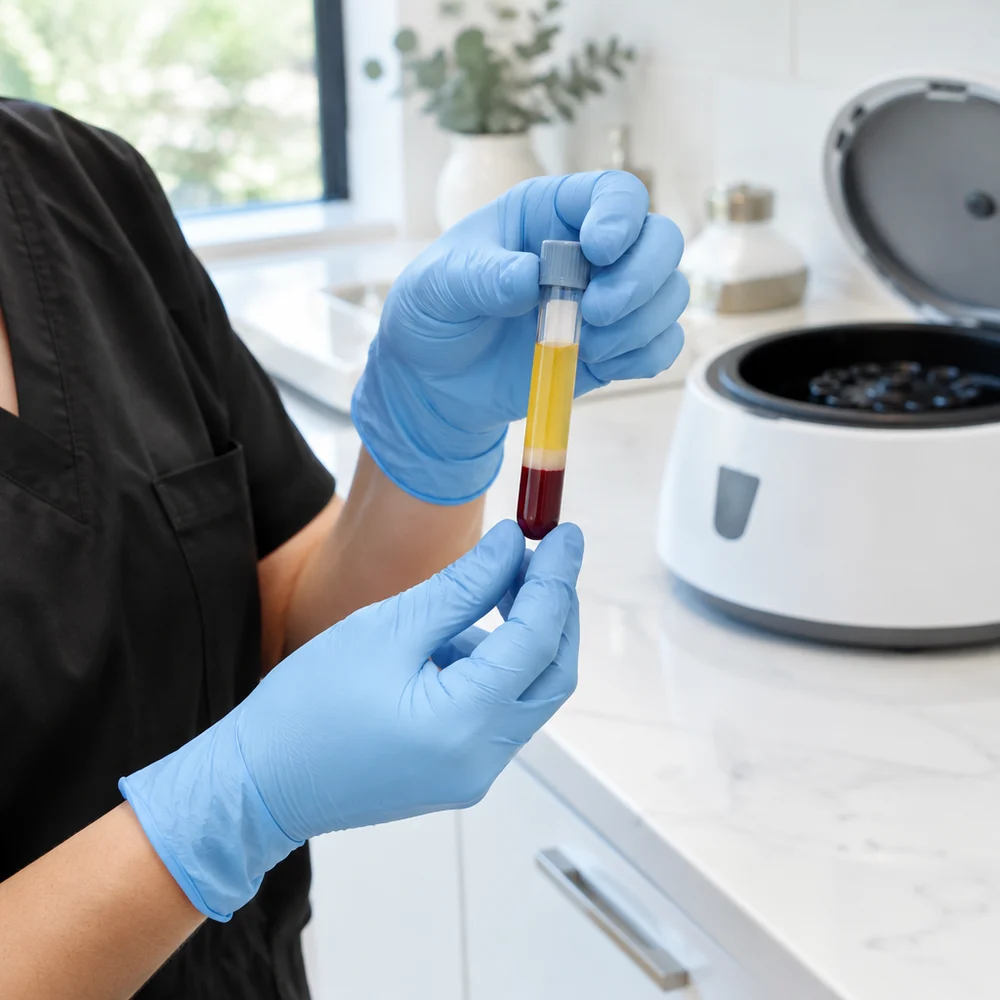
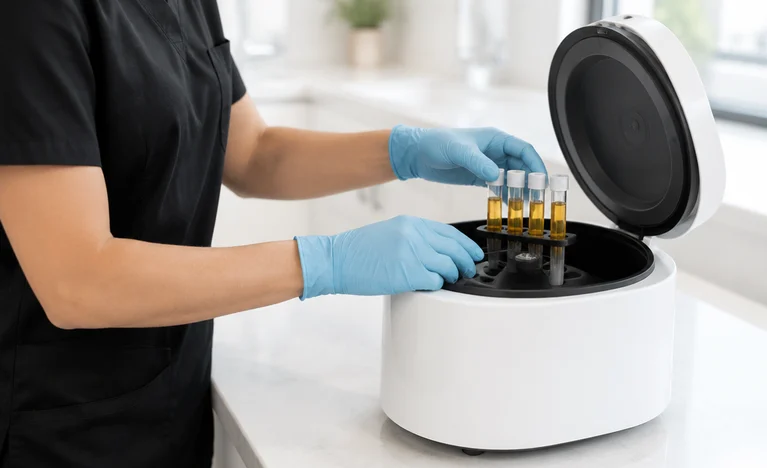
Concentrates your own blood platelets to deliver growth factors directly to the injured joint, supporting natural repair.
- Intra-articular injection
- Mild to moderate osteoarthritis
- Tendonitis & ligament injuries
Cellular Regeneration
Stem Cell Therapy
Uses regenerative cells from bone marrow or adipose tissue to support repair processes in damaged joints.
- Intra-articular injection
- Significant cartilage degeneration
- Chronic joint pain

Inflammation Reduction
Exosome Therapy
Delivers signaling molecules and proteins that support cell communication, helping reduce inflammation and support recovery.
- Intra-articular injection
- Persistent stiffness & inflammation
- Age-related wear and tear
Why Relive Health
Provider-led regenerative care, from your first analysis through recovery.
Sourced from reputable, FDA-compliant labs or processed in our center.
A certified NP, PA, or MD oversees and administers every injection.
Biologic materials delivered exactly where they are needed most.
Follow-up on your mobility and pain throughout your recovery.
A dedicated team ready to answer your post-injection care questions.
Treatment Areas
Common joints and tissues addressed with regenerative injections.
How Our Process Works
We start with a comprehensive analysis of your joint pain, mobility, medical history, and any imaging, then review the procedure and expected outcomes with you before scheduling your injection.
- Comprehensive analysis
- Pathway consultation
- Provider-led injection
- Mobility follow-up

FAQ
How long do regenerative joint injections last?
The longevity of relief varies based on the severity of your joint damage and your lifestyle. Many individuals experience improvements in pain and mobility that may last anywhere from one to three years. Our providers will evaluate your specific condition during your consultation to give you a realistic timeline for your expected results.
Are regenerative joint injections covered by insurance?
Currently, most health insurance plans consider regenerative treatments like PRP and stem cell therapy to be investigational, meaning they are typically not covered. During your initial consultation, we will transparently discuss pricing and process details so you can make an informed decision about your care.
What is the difference between PRP and stem cell joint injections?
Platelet-Rich Plasma (PRP) uses concentrated growth factors from your own blood to signal your body to heal mild to moderate tissue damage. Stem cell therapy uses regenerative cells, often from bone marrow or fat tissue, to support more robust repair processes in cases of advanced cartilage degeneration. Our providers will help determine which option best aligns with your joint health needs.
What should I expect after a regenerative joint injection?
It is normal to experience mild soreness, swelling, or a feeling of fullness in the treated joint for a few days. We typically advise resting the joint initially before gradually returning to normal activities, and our team will provide detailed aftercare instructions.
How many regenerative injections will I need?
The number of treatments depends on the specific therapy used and how your body responds. Some individuals find adequate relief after a single injection, while others may benefit from a series of two to three sessions spaced several weeks apart. We will outline a personalized schedule for you before you book your service.
Do regenerative joint injections hurt?
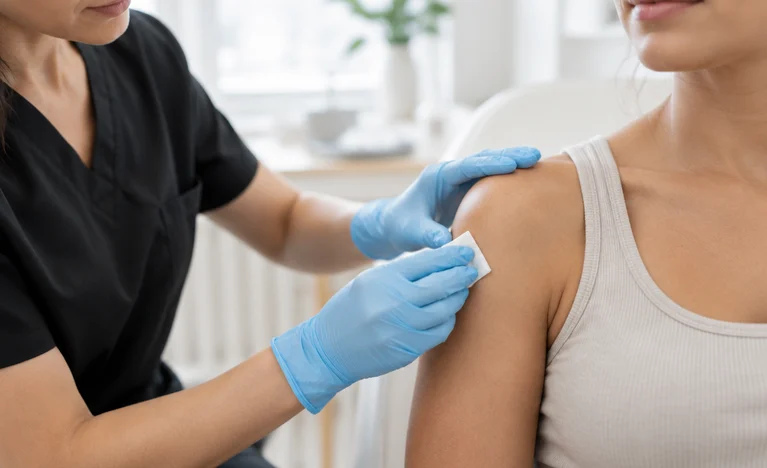
Most individuals tolerate the injection process very well, describing it as a brief pinch or pressure similar to a standard vaccination or blood draw. Our providers prioritize your comfort and may use local anesthetics to numb the area before the procedure. If you have concerns about discomfort, please discuss them with our team when you schedule.
What conditions are commonly treated with these therapies?
Regenerative joint injections are frequently used to address a variety of orthopedic issues. The most common conditions we see include:
- Osteoarthritis in the knees, hips, or shoulders
- Chronic joint pain and stiffness
- Sports-related injuries like tendonitis or ligament sprains
- Age-related cartilage degeneration
Are joint injections right for me?
Regenerative joint injections may be a good fit for:
- Active individuals whose favorite sports or hobbies are hindered by persistent knee, shoulder, or hip pain
- Adults with joint stiffness and cartilage degeneration who want to avoid or delay invasive joint replacement surgery
- Anyone who has not achieved adequate, lasting relief from physical therapy, daily pain medications, or standard cortisone shots
Real people with real results.
Thousands of clients across the Relive Health network living healthier, happier lives.
Start understanding your body today.
One appointment. A comprehensive 66-marker panel. A provider’s review.
A protocol built around your biology, not a generic checklist.
- Provider reviewed
- Personalized pathway
- Rated 4.5 by thousands of clients